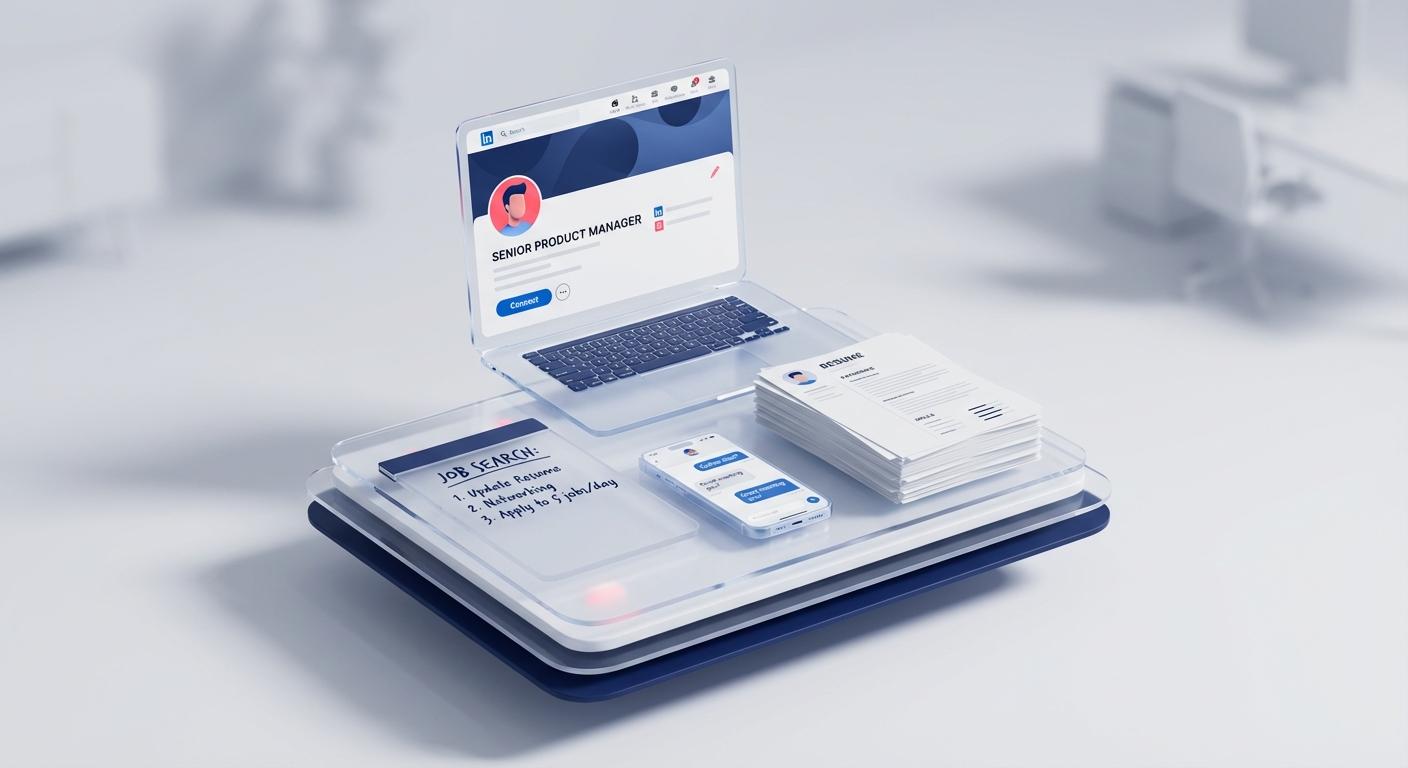
Marketing yourself does not mean claiming to be an expert. It means helping the right person find and assess the work you can actually do.
For Power Platform roles, the strongest signal is a consistent story across your CV, LinkedIn profile, portfolio and interview.
1. Pick a recognisable role
Microsoft's Power Platform adoption guidance describes makers, administrators, business analysts, support roles, DevOps engineers and architects. Those roles solve different problems.
Choose the role closest to your current evidence. Then use its language consistently.
If you are targeting app-builder work, lead with apps, data, automation and user needs. If you are targeting developer work, show integration, code, security, testing and application lifecycle management. If you are targeting administration, show environments, governance, monitoring and support.
2. Build one clear positioning sentence
Use:
I help [type of user or team] solve [type of problem] using [specific capabilities], with evidence from [project or work context].
For example:
I build small internal request and approval solutions using Power Apps, Dataverse and Power Automate, with portfolio evidence covering security, failure handling and deployment.
This is a positioning statement, not proof. The portfolio must support it.
3. Make every channel point to the same evidence
Your CV should summarise the relevant work.
Your LinkedIn profile should add context and make the projects discoverable.
Your portfolio should show the requirement, solution, decisions, tests and limits.
Your interview should explain the same decisions in your own words.
Contradictions create doubt. If LinkedIn says “solution architect” but the portfolio contains only tutorial apps, the title is working against you.
4. Publish technical notes with boundaries
A useful article does not need to be novel research. It can explain:
- a mistake you fixed
- a data-model decision
- a flow failure path
- a security constraint
- a licensing check
- a release or handover decision
Say whether the work came from a developer environment, a sanitised workplace example or a production service. Do not use customer data or copy employer intellectual property.
Publishing is optional. A private proof pack can be enough when public sharing is inappropriate.
5. Network around useful questions
Do not treat every conversation as a sales pitch.
Ask practitioners how their team divides work, what junior staff own, which failure modes matter and how solutions are governed. Those questions help you understand the role and improve the next project.
When sharing your work, ask for a narrow review:
- Is the security model plausible?
- Is this app type a sensible choice?
- What would block production release?
- Which part would you ask about in an interview?
Specific questions are easier to answer than “any feedback?”
6. Keep credentials current
Link only to credentials you have earned. Use Microsoft's live credential browser before recommending a route to somebody else.
This matters in 2026. PL-200 is scheduled to retire on 31 August 2026, the former Power Platform Solution Architect Expert credential retired in June, and Microsoft has introduced the Intelligent Applications Builder Associate credential.
An old certification chart can make an otherwise careful profile look abandoned.
7. Measure the quality of the signal
Do not assume profile views prove career progress.
Look for more useful feedback:
- Do people understand your target role?
- Are technical questions becoming more specific?
- Can you demonstrate the work without hiding behind a script?
- Are applications being rejected for the same missing evidence?
- Can practitioners identify a credible next project?
Those observations can improve your positioning. They do not predict an offer.
A simple evidence inventory
For each claim you make, record:
| Claim | Evidence | Boundary |
|---|---|---|
| Built a canvas app | demo and solution export | development environment only |
| Designed Dataverse security | role matrix and role tests | synthetic users and data |
| Improved a process | before/after process map | no measured production result |
| Earned a credential | Microsoft credential link | assessment, not delivery history |
This exercise removes a surprising amount of vague language.
The aim is not to look bigger than you are. It is to make the useful parts of your experience visible without asking the reader to take them on trust.
Sources
- Microsoft: Define Power Platform roles and responsibilities
- Microsoft Credentials browser for Power Platform
- Microsoft credential retirement information
- LinkedIn Help: Add sections to your profile
For a grounded review of the technical evidence behind your positioning, join the Power Apps Builders Space. Share only sanitised material that you have permission to discuss.