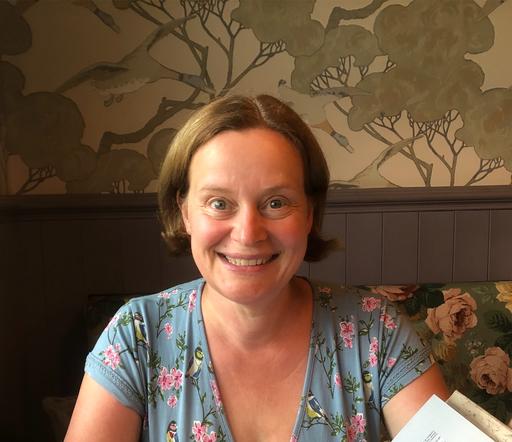

I am 55, experienced and capable.
This month, I still felt like the new girl.
I did not expect that to bother me as much as it did.
In my previous role I had been there for 17 years. I knew the systems, the rhythm, where things lived, who needed what and which jobs could wait.
There is a quiet confidence in knowing your world.
Then you start again.
New role. New systems. New responsibilities. New expectations.
Suddenly, the woman with decades of experience is asking:
“Can you show me that again?”
“Where does that go?”
“What happens if I get it wrong?”
“Can I write the steps down?”
That last question mattered.
I need to write things down
Writing the steps makes me feel steady while my brain is still sorting unfamiliar information.
But part of me felt embarrassed about needing them.
I had quietly turned experience into a rule: an experienced person should understand a new system immediately. Asking twice looked like falling behind. Needing instructions looked like going backwards.
None of that was true, but it felt true.
Over the previous month, I had been helping with Collab365 Spaces. One of my jobs involved moving and checking 171 pieces of content in the new platform.
It was detailed, repetitive and important.
It was also new to me.
I did not want to miss something that affected a customer. I did not want to slow Mark down. I especially did not want to ask my husband a question that seemed obvious to him.
That is quite a lot of weight to put on one request for instructions.
Tomatoes revealed what I was actually afraid of
On our morning walk, I told Mark I did not really like learning new things.
He challenged me on it.
Annoyingly, he was right.
I learn new things at the allotment all the time. I try different seeds, planting methods and timings. I read, test, adjust and try again.
So why can a new allotment experiment feel interesting while a new business system makes me anxious?
The answer came out before I could tidy it up:
If the tomatoes fail, nobody loses a customer.
That was the difference.
The problem was not learning. It was learning while the work still mattered.
At work, people rely on you. There are deadlines, money, reputation and somebody else's trust. A mistake may create more work for another person.
Experience can make that pressure worse because you are used to being dependable.
Being a beginner does not erase what came before
New technology can make capable people look hesitant.
They may ask for the process in writing. They may check the same screen twice. They may want to understand what happens after they press the button.
That is not automatically resistance.
It can be responsibility.
Being new also lets you see things the expert has stopped noticing. You spot the unclear label, the missing instruction and the decision that only exists in somebody's head.
When I asked questions during the content move, I was not bringing nothing to the job. I brought years of handling customers, details, deadlines and the small failures that become bigger if nobody catches them.
I needed to learn the new system. I did not need to discard the judgement I already had.
What helped me
I stopped trying to look instantly fluent and made the work visible:
- I wrote the process in my own words.
- I separated “I have not done this before” from “I cannot do this”.
- I asked what the consequence of a mistake would be.
- I checked high-impact steps instead of treating every click as equally dangerous.
- I kept notes on the awkward bits so the instructions could improve.
Most of all, I let myself use the word “yet”.
I do not know how to do this yet.
That sentence is honest without becoming a verdict on me.
I am allowed to be new at this
AI and workplace systems will keep changing. I will probably have this feeling again.
Next time, I want to remember the allotment.
I may be new to the task, but I am not new to learning.
I may need the steps written down, but that does not make me less capable.
I may feel exposed for a while, but that does not mean I am failing.
It means I am at the beginning of this particular thing.
Sources
- This article is a first-person account. Personal experience is not presented as independently audited external evidence.