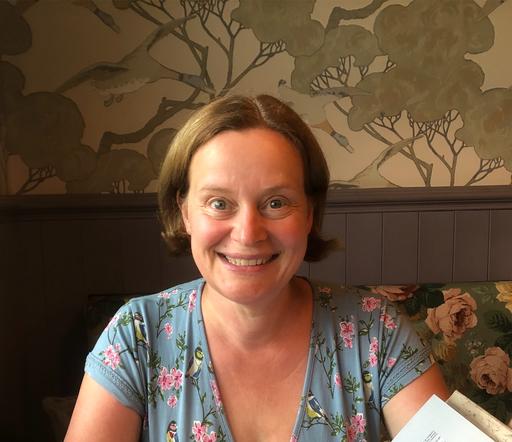
I hate having my photo taken.
My face freezes, one eye starts closing and I look as though somebody has just told me the allotment has flooded.
That sounds trivial until your face is part of a small business. Mark and I are Collab365. There is no large marketing team to hide behind, and a blank profile does not help somebody decide whether we are real people.
LinkedIn's own profile guidance says a profile photo can help a member be noticed and reports that members with one receive up to twice as many profile views. That does not mean an expensive portrait will double your business. It means being recognisable matters on a network built around people.
What we tried
We started with a clear, ordinary photograph of me and used an AI image tool to produce professional-looking variations.
I asked for changes that felt plausible: less glare on my glasses, tidier hair and clothes I might actually wear. Some versions looked like me on a good day.
Others looked like a cousin nobody had mentioned.
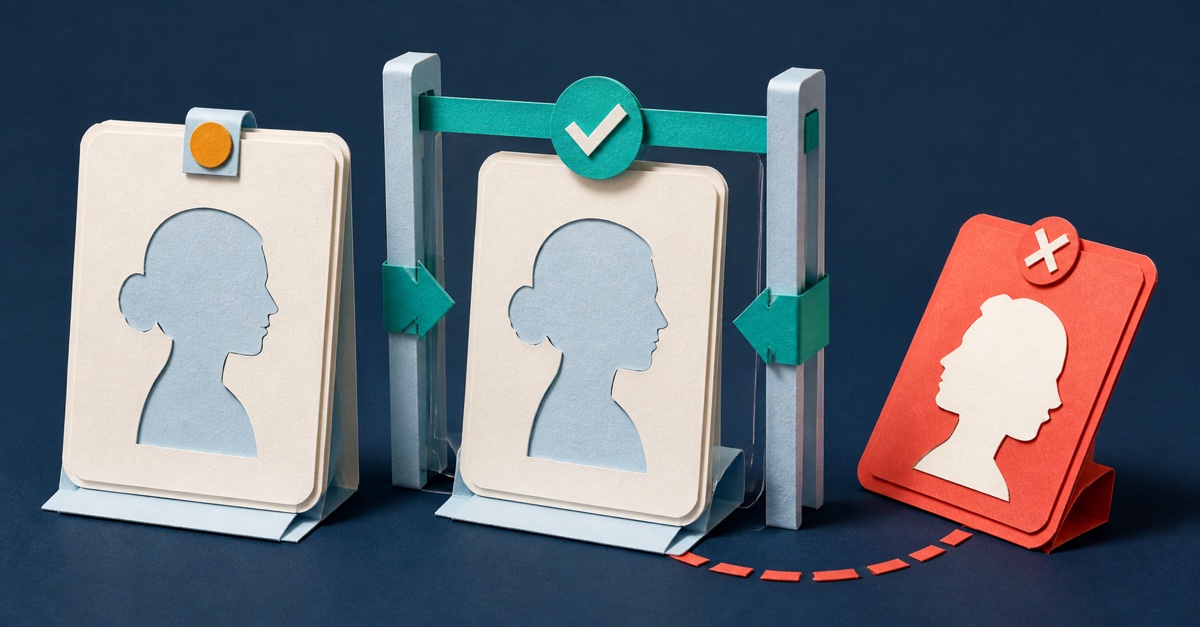
That is the awkward part the glossy demos skip. A generated portrait can subtly change your face, age, body, skin or expression. The image may look polished while no longer being an honest representation.
I rejected anything that made me look younger, thinner or like somebody who spends her life posing beside a glass office wall.
My rules for an AI headshot
If you are considering the same thing, these are the checks I would use:
- Start with a photo you own and have permission to upload.
- Read the tool's current privacy and data-use terms before sharing a face.
- Ask for restrained edits rather than a different identity.
- Check eyes, teeth, glasses, earrings, hair and clothing for invented details.
- Show the result to somebody who knows you well.
- Do not use it for identity verification, official documents or any setting that requires an unaltered photograph.
- If the image could materially mislead the audience, disclose that it was AI-generated.
The result worked for me because it removed the worst part: posing under pressure. It did not prove that AI headshots are better than photographers, and it certainly did not make professional photography obsolete.
A good photographer can direct, light and capture a real moment. The AI tool gave me a lower-pressure option for a simple profile image.
That is all I needed.
The best version was not the most polished one. It was the one my friends and family would still recognise without being told who it was.