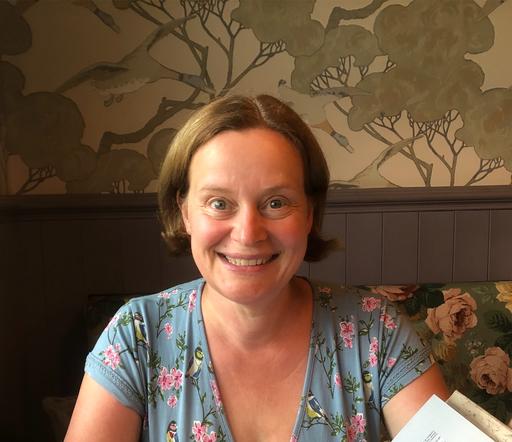

After being made redundant at 55, I applied for jobs and received no interviews.
I do not know whether my age, my CV, automated screening, the market or something else caused each rejection. The first version of this article pretended the evidence was much neater than that.
It was not.
My CV did not fit into one box
I trained and worked as a management accountant. I held finance roles at Tetley, Asda and Farnell Components, covering planning, budgeting, forecasting and reporting.
When our daughters were young, I moved toward part-time work and joined Mark's business. Small-business life added customer queries, demos, support, admin, videos and whatever else needed doing that week.
Years later, that CV looked muddled.
I could see the value of the mixture because I had lived it. An application system or a rushed recruiter may have seen a candidate who was neither a tidy accountant nor an obvious operations person.
I felt invisible.
I cannot prove AI rejected me
The old article said AI screeners reject more than three-quarters of CVs before a person sees them. The cited article did not provide a suitable primary basis for applying that number to my applications.
It also used old employment figures and broad automation forecasts as if they explained one person's experience.
So I have removed them.
Current ILO task-level research does show that clerical and administrative tasks have meaningful exposure to generative AI. It also stresses that exposure is not the same as a whole job disappearing.
My rejected applications are lived experience. Their cause remains unknown.
The generalist skills became useful again
When Collab365 needed help, I came back into the business.
The value was not that a small company "saved" me from AI. It was that the work needed the combination my CV struggled to describe: financial control, customer judgement, process sense, clear explanations and a willingness to tackle unfamiliar systems.
That does not prove generalists always beat specialists. Small firms often need range. Other employers need deep specialist expertise. Most useful careers combine both in different proportions.
What I would change now is the way I explain my experience:
- lead with the problem I can solve;
- group evidence around that problem;
- show the range as a strength, not a list of unrelated tasks;
- remove claims I cannot demonstrate;
- keep several versions for genuinely different roles.
I am still 55. The market did not suddenly become fair. I simply found work where the awkward mixture of my experience made sense.
That is not a formula for everybody. It is a reminder that a CV can fail to explain a capable person, and rejection does not tell you which part of your experience has stopped being valuable.